
Website Accessibility for Organizations and Government Entities
Ensuring Equal Access to Information and Services
Organizations and government entities play a critical role in providing information, services, and resources to the public. Your website is often the primary way people interact with your organization, which means it must be accessible to everyone, including individuals with disabilities.
Website accessibility ensures that all users can navigate your site, understand your content, and complete important actions such as filling out forms, accessing resources, or registering for programs.
For public-facing organizations, accessibility is not just a best practice. It is a requirement.
Requirements for Government and Public Organizations
Government entities are required to comply with accessibility laws under the Americans with Disabilities Act, along with Section 504 and Section 508 of the Rehabilitation Act. In 2024, the U.S. Department of Justice issued updated regulations for ADA Title II, specifically addressing digital accessibility.
On April 20, 2026 an extension was announced for the guidelines. Read more on the Extension of Compliance Dates for Nondiscrimination on the Basis of Disability; Accessibility of Web Information and Services of State and Local Government Entities.
What Must Be Accessible
These requirements apply to:
- Websites
- Mobile applications
- Online forms and services
- Digital documents (PDFs, agendas, reports)
Required Accessibility Standard
Under the current rule, government entities must meet:
WCAG 2.1 Level AA
(This is the enforceable standard referenced in ADA Title II regulations.)
UPDATED: Key Compliance Deadlines
The compliance timeline is based on population served, not the type of organization:
April 24, 2027
Cities with 50,000+ residents
April 26, 2028
Cities with fewer than 50,000 residents
This means:
- A large county, state agency, or university will likely fall under the 2027 deadline
- A small rural township or school district may fall under the 2028 deadline
Why Website Accessibility Matters
Accessibility directly impacts your ability to serve your community.
An inaccessible website can prevent users from:
- Accessing critical information
- Completing applications or registrations
- Engaging with programs or services
- Receiving timely updates or announcements
For government entities and public organizations, this creates barriers that limit participation and reduce trust.
Accessible websites improve:
- User experience for all visitors
- Engagement and participation
- Transparency and communication
- Overall effectiveness of your organization
Accessibility Is an Ongoing Responsibility
Accessibility is not a one-time project. It requires ongoing attention as your website evolves.
A sustainable accessibility approach includes:

Accessible Website Design and Development
Building your website with accessibility best practices from the start
-
Ongoing Monitoring
Regularly scanning your website for accessibility issues
-
Continuous Remediation
Fixing issues as content is updated or added
Accessibility depends on:
- Your website platform, software and code
- Your content editors
- Third-party tools and integrations


Website accessibility is guided by the World Wide Web Consortium through the Web Content Accessibility Guidelines (WCAG).
Most organizations should aim to meet:
WCAG 2.2 Level AA
These guidelines are based on four principles:
- Perceivable – Users can recognize and process information
- Operable – Users can navigate and interact with your site
- Understandable – Content is clear and predictable
- Robust – Works with assistive technologies
This framework provides a practical standard for building and maintaining accessible websites.

Website accessibility requirements apply to all state and local government entities covered under ADA Title II, not just cities.
This includes:
- State agencies
- Counties
- Cities and townships
- Public school districts
- Public colleges and universities
- Special districts (utilities, transportation, etc.)
- Any public entity providing services to the community
If your organization provides public services or information, your website is expected to be accessible.

Nonprofits and private organizations are generally covered under ADA Title III.
While there are no defined federal deadlines like those for government entities, accessibility is still expected and increasingly enforced through legal action and guidance.
For most organizations, aligning with WCAG standards is still considered best practice.

Many accessibility barriers are introduced unintentionally over time.
Some of the most common issues include:
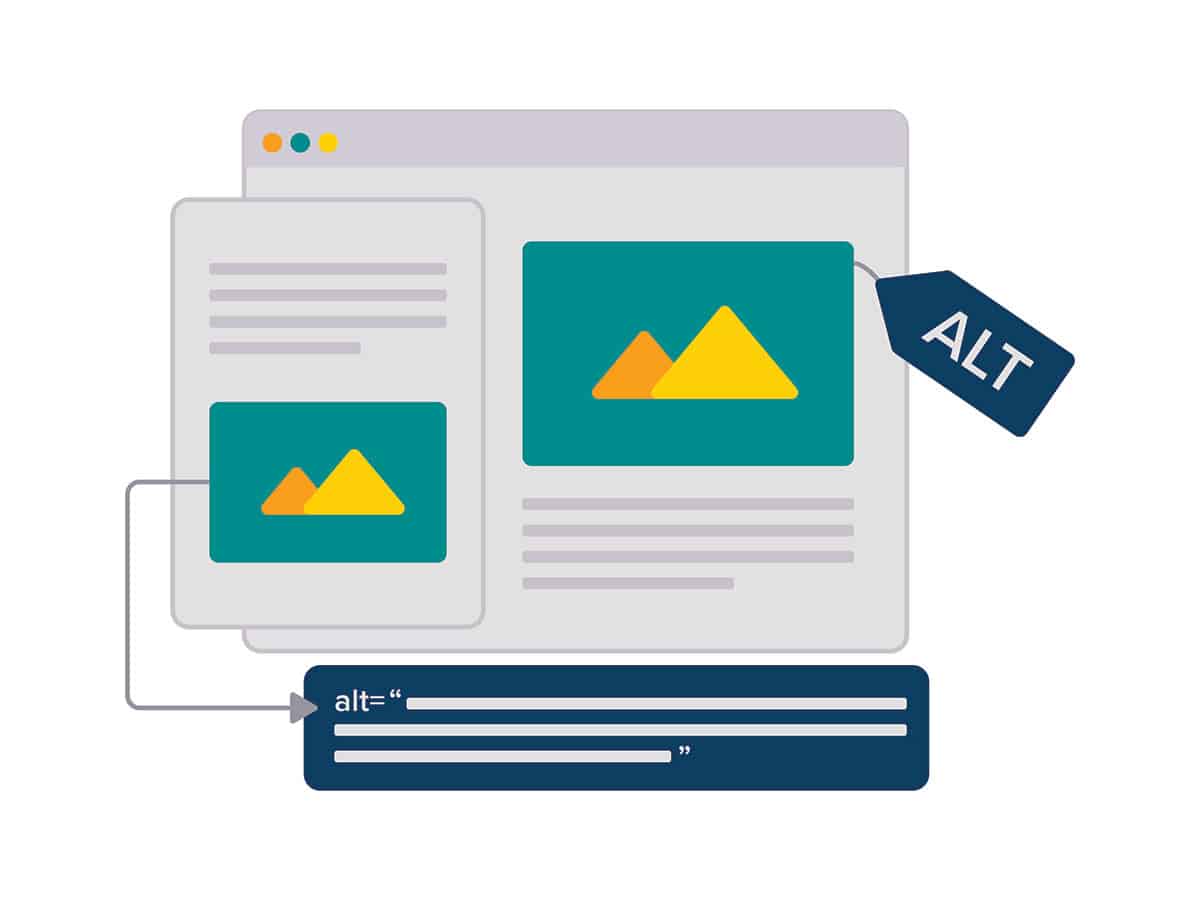
- Images without descriptive alt text
- Poor color contrast between text and background
- PDFs that are not accessible to screen readers
- Missing or inconsistent heading structure
- Forms without proper labels or instructions
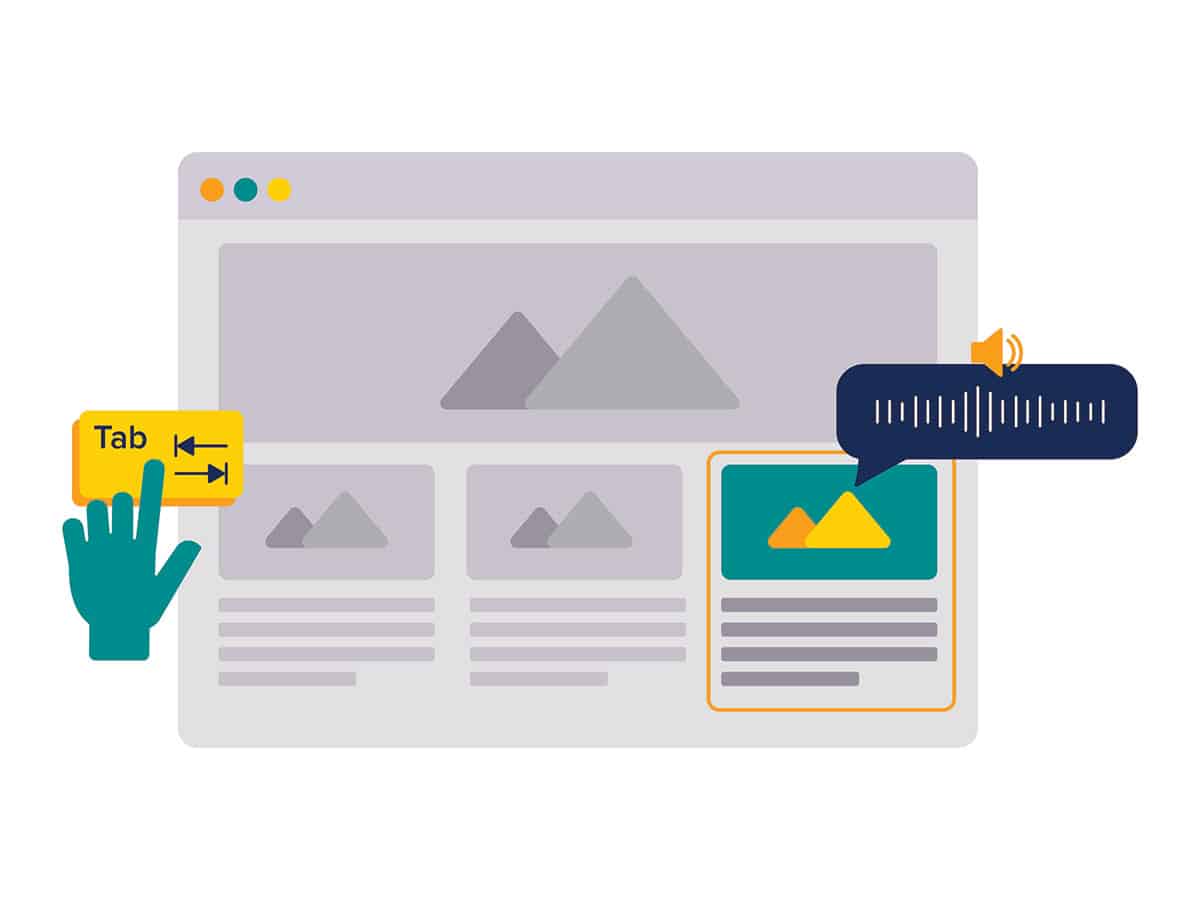
- Navigation that does not work with a keyboard
These issues often occur during content updates, software updates, and not just during the initial website build.
How to Get Started Success
If your organization has not yet addressed website accessibility, the best approach is to start with a clear plan.
Conduct an Accessibility Audit
Identify current issues and areas of risk
Prioritize Fixes
Focus on high-impact issues that affect usability
Create a Remediation Plan
Develop a phased approach to improvements
Implement Ongoing Monitoring
Use tools and processes to maintain accessibility over time
Train Your Team
Ensure staff understands how to create accessible content
For many organizations, especially smaller teams, breaking this into manageable steps is key.
Website accessibility is about ensuring that everyone in your community can access the information and services you provide.
With clear federal guidelines now in place and compliance deadlines approaching, organizations and government entities have a defined path forward.
Taking a proactive, structured approach will help you meet requirements while improving the experience for every user who visits your website.

Get Started with Website Accessibility
If your organization is ready to take the next step, starting with a partner website accessibility
audit can provide clarity and direction.