
Insights into Logo and Brand Usage
Your logo is the face of your business. It’s the graphic customers see on your website, social media, business cards, and even your storefront. A great logo is more than just a design—it’s a tool to build recognition and trust. But for it to work, you need to use it consistently. Improper use can confuse your audience and weaken your brand. That’s why understanding how to apply your logo across different platforms is so important.

Think of your logo as the foundation of your brand’s identity. It’s not just one static image, but a flexible tool that can represent your business in any situation. This guide will show you how to use your logo effectively, whether you’re creating social media graphics, updating your website, or printing promotional materials. Iconic logos like Apple’s bitten apple or McDonald’s golden arches are instantly recognizable because they’re used consistently. While your business might not be as big as theirs, sticking to consistent logo practices can still help you stand out and build trust with your customers.

Introduction to Brand Identity
Your brand identity is how your business shows up in the world. It’s more than your logo—it’s the visuals, tone, and messaging that make your business unique. From the colors and fonts you use to the way you communicate with customers, a strong brand identity helps you connect and stand out.
For small businesses, having a clear brand identity is especially valuable. It shows customers who you are and creates a consistent experience that builds trust and loyalty. By establishing simple guidelines for how to use your logo and other brand elements, you can make sure your business always feels polished and professional—whether you’re designing flyers, posting on social media, or updating your website.
Understanding Logo Design
Your logo is one of the most important pieces of your brand. It represents your business’s personality, values, and mission. A well-designed logo is simple, memorable, and works in all kinds of settings—from social media posts to business cards to packaging.
When developing or refreshing your logo, focus on the essentials:
- Colors: Stick to a color palette that reflects your business’s style—a bold, vibrant palette for a fun brand, or muted tones for something more professional.
- Typography: Use the same fonts consistently across your logo and marketing materials.
Size: Make sure your logo looks clear and sharp, even when it’s resized for smaller uses like website icons.
In logo design, selecting the right style is essential to reflect your business or organization’s identity. There are three main styles to consider:
- Text Only: A simple design focusing solely on typography to represent your brand.
- Text and Symbol Combined: A blend of text and an accompanying symbol or icon for a more versatile and recognizable look.
- Emblem/Badge: A more intricate design where text and imagery are unified within a single shape or frame, often conveying a classic or established feel.
A good logo isn’t about trends or fancy designs—it’s about creating something that represents your business and resonates with your customers.
Logo Description and Meaning
Think of your logo as a visual story about your business. It should capture who you are and what you do. Whether it’s a symbol, a wordmark, or a combination of both, every part of your logo should have meaning.
For small businesses, writing a short description of what your logo represents can be helpful. This can guide you (and anyone else helping with your brand) on how to use it effectively. For example, explain the reasoning behind your colors, fonts, or symbols and what they say about your business. This kind of clarity keeps you consistent and ensures your branding stays true to your vision as your business grows.
Understanding Your Logo Variations
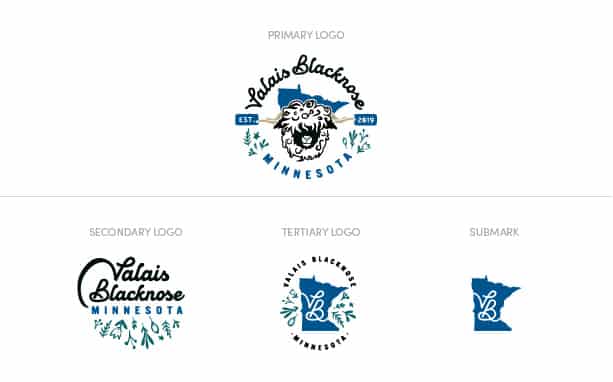
Your logo doesn’t have to be one-size-fits-all. Having a few variations can make it easier to use in different situations. Here’s how to think about your logo variations:

Your primary logo is the full version of your brand mark. It’s the main version you’ll use most often.
- Best for: Website headers, business cards, signage, and marketing materials where there’s enough space to display it clearly.
- How to use it: Use your primary logo as your default—it’s the main face of your brand. Just make sure it’s legible and not placed on busy backgrounds or cramped spaces.

A secondary logo is a simplified or alternate version of your primary logo. This might include a stacked version or a logo without your tagline.
- Best for: Social media banners, email signatures, or places where your primary logo might not fit well.
- Example: If your primary logo is horizontal, a vertical variation can work better on narrow designs like social media or print ads.

A submark is the simplest version of your logo, like an icon or monogram pulled from your primary logo.
- Best for: Small spaces like social media profile pictures, website favicons, or watermarks.
- How to use it: Use your submark when the full logo isn’t practical. Examples include tiny spaces or designs where you just need a simple graphic to represent your brand.
Key Rules for Effective Logo Application
No matter how you use your logo, following these rules will help it always look professional:
Clear space, or padding, is the empty area around your logo. This ensures your logo isn’t overcrowded by other elements, keeping it easy to read and visually impactful.
- Pro tip: Use a part of your logo (like the height of a letter) to measure how much space to leave around it.
Shrinking your logo too much can make it blurry or hard to read. Stick to minimum size recommendations to keep it clear.
- For digital: A primary logo should usually be at least 200 pixels wide.
- For print: Make sure your logo is no smaller than 1.25 inches wide to stay legible.
Your logo should adapt to different backgrounds. Most small businesses need these versions:
- Full-color: Use this on light, neutral backgrounds.
- White (knockout): Perfect for dark or busy backgrounds.
- Single-color: Use black or a single brand color for simple applications like stamps or embroidery.

Avoid placing your logo on backgrounds that make it hard to read, like busy patterns or clashing colors. If needed, use a solid background or subtle overlay to make it stand out.
The Don’ts of Logo Usage
To keep your logo professional, avoid these common mistakes:

Understanding Logo File Formats
When you receive your logo files, it’s important to understand which format to use for different applications:
- For print: Use vector files like AI, EPS, or PDF. These formats ensure your logo can be scaled to any size without losing quality, making them ideal for everything from business cards to billboards. For high-quality printing, your files should be at least 300 DPI (dots per inch).
- For digital: Use SVG files for crisp, scalable logos on websites and digital platforms. PNG files are best when you need a transparent background, while JPG files are suitable for general digital use where transparency isn’t required, though they are often a lower quality option.
Advanced Considerations for Your Logo
Accessibility and Contrast
Ensuring your logo is accessible means making it easy for everyone, including people with visual impairments, to see and understand. A key component of this is using high-contrast colors, which means there should be a significant difference in brightness and hue between the logo and its background. For example, dark text or elements should be paired with a light background, and vice versa. This helps make your logo clear and readable in various settings, such as on screens, printed materials, or different lighting conditions. By prioritizing contrast, you ensure your logo is inclusive and effective for a wider audience.
Consistency in Placement
Decide where your logo will go in common templates, like the top-left corner of your website or the middle of your business cards. Repeating placements helps build recognition.
Co-Branding with Partners
If your logo appears next to another company’s logo, keep them visually balanced. Use equal spacing and alignment to make both brands look professional.
By following these logo guidelines, you can ensure your business shows up consistently and professionally wherever it appears.
Creating Brand Guidelines
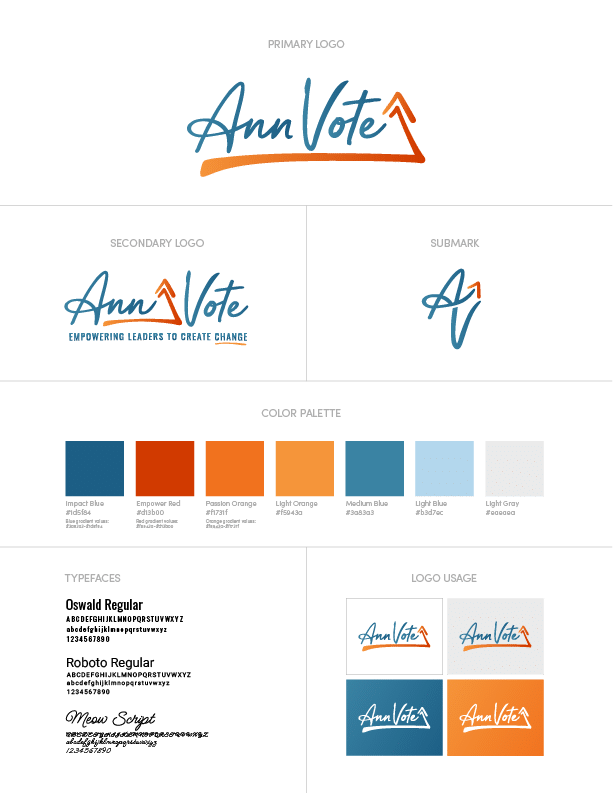
Brand guidelines don’t have to be complicated. Even a simple document outlining your logo’s colors, sizes, and file types can help you stay consistent. Clear guidelines prevent mistakes and make branding easier, whether you’re designing something yourself or working with a freelancer.
Managing Brand Assets
Refresh and Revitalize Your Brand
Is your brand making the impact it deserves? Take the first step toward achieving greater local engagement and standing out in your community. Schedule your Business Success Blueprint today to refresh your brand, optimize your strategy, and drive results. Together, we’ll create a clear, actionable plan tailored to your unique needs and goals. Don’t wait—start building a stronger, more visible presence for your business now!
Frequently Asked Questions

Let's Create Your
Business Success Blueprint
Create a Digital Marketing Strategy and Plan for your Brand
The team at Redwood Valley Technical Solutions can help you accelerate your business online.